

A medical laboratory or clinical laboratory is a laboratory where tests are carried out on clinical specimens to obtain information about the health of a patient to aid in diagnosis, treatment, and prevention of disease. ... Medical laboratories vary in size and complexity and so offer a variety of testing services.The four main departments in the majority of clinical pathology laboratories are clinical chemistry, microbiology, hematology, and hemostasis, transfusion services, Clinical Chemistry - Chemistry is usually the largest and most automated of all laboratory departments.
Clinical diagnosis. A diagnosis is made on the basis of medical signs and reported symptoms, rather than diagnostic tests. Laboratory diagnosis. A diagnosis is based significantly on laboratory reports or test results, rather than the physical examination of the patient.
Clinical Diagnosis: A Medical Service
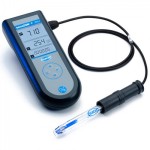
Instruments for clinical diagnostics are used to identify health and disease indicators. Diagnostic analyzers are used for a variety of measures, including:
Glucose, urea, and potassium are metabolic indicators (blood chemistry).
Tests of liver function
Indicators of heart disease and heart attack
Thyroid disease indicators
Various numbers and sizes of blood cells
Infections caused by viruses and bacteria, such as HIV and H. pylori
Antibodies and immunological markers
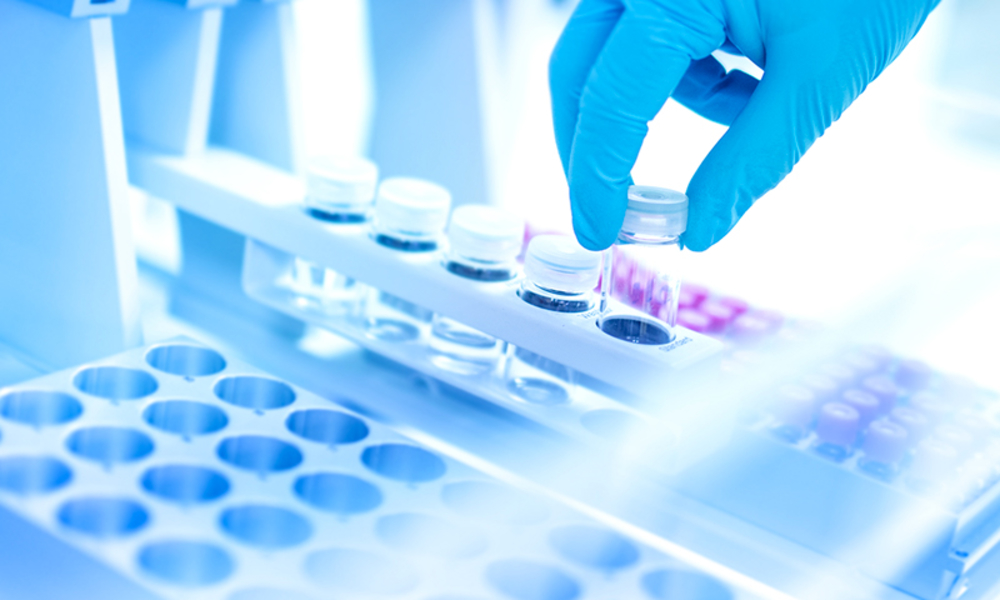
Chemistry analyzers, immunoassay analyzers, assay kits, and hematology analyzers are all essential components of any clinical diagnostic environment. For tests that are less often done or are not yet automated in workhorse equipment, specialized analyzers are offered.
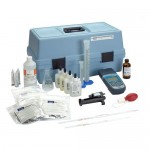
Additionally, test kits are available for use in smaller settings or batches to meet clinical interrogations.
Standard lab equipment, such as a spectrophotometer and other ELISA-related equipment, may usually be used to run these kits.
There are no application posts to list.