

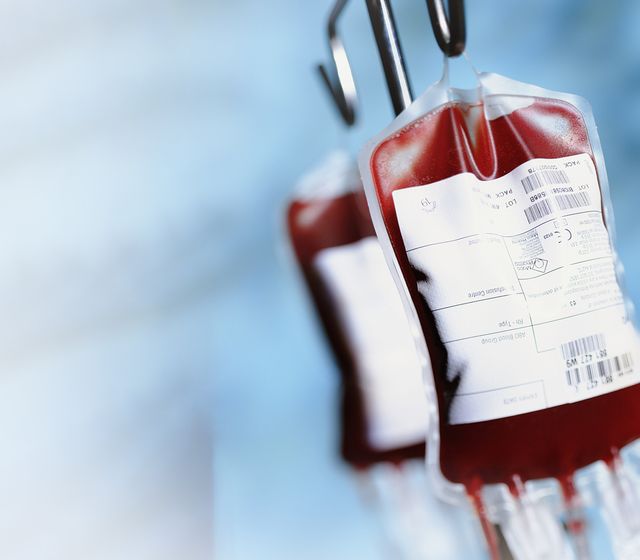
Blood banking is the process that takes place in the lab to make sure that donated blood, or blood products, are safe before they are used in blood transfusions and other medical procedures. Blood banking includes typing the blood for transfusion and testing for infectious diseases.
The act of collecting, testing, processing, and storing blood for later use, known as blood banking, is a cornerstone of emergency and surgical care, and it relies on the clinical laboratory to ensure that blood and its components are used safely.
This article examines five important features of blood banking:
Donating blood
Protecting the blood supply
Ensuring its proper use
Identification
Risks involved for donors as well as recipients
To speed up antibody searches and verify for cross-matching between donor and recipient, automated cell washing equipment is utilized. Blood banks utilize centrifuges to separate red blood cells and platelet-rich plasma from whole blood.
Buying blood bank equipment: some things to think about
The requirements for blood bank equipment differ from one blood bank to the next. The capacity of refrigerators and freezers, as well as the pace and capacity of thawing baths, will be determined by how busy the blood bank is. Other considerations that influence whether blood bank equipment is required include whether the blood bank solely deals in whole blood or separates it, if it analyzes the blood it pulls, and whether it does cross-matching.
There are no application posts to list.