

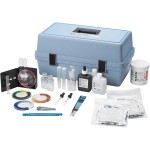


Dehydrated culture media have a wide variety of applications, in industrial microbiology (food industry, cosmetics, pharmaceuticals, vaccine production, animal health, analysis laboratories, etc.), or clinical microbiology (human and veterinary).
Reconstitution of dehydrated media
Use warm (50°C) water to hasten the solution of the medium. Rinse all glassware with the distilled/deionized water and make sure that the vessels are clean and free from toxic chemicals which may be absorbed onto the surface of the glass e.g. bile salts, tellurite, selenite, etc.
Most microbiology laboratories rely on dehydrated microbiological culture media for day-to-day operations, and they provide several advantages.
Convenient - use right off the shelf; no refrigeration or extra storage is required.
Make only what you need, when you need it, to avoid wasting materials.
Years of shelf life vs. days/weeks for ready-to-use material
The simplest approach to add and control delicate, non-autoclavable components is to use a specialist.
Cost-effective – adapts to any lab routine and workload.
Related Products



Leave a Comment